

Mark B
Member
- Country
 USA
USA
The True Story of Crystal Palace’s ‘Team of the Eighties’ by David Lewis
For Crystal Palace supporters who lived through the remarkable rise, painful fall and lingering memories of the club’s “Team of the Eighties”, David Lewis’s The True Story of Crystal Palace’s ‘Team of the Eighties’ is likely to feel less like a history book and more like a return to a time that many supporters thought they had left behind.
What comes through most strongly is Lewis’s love for Crystal Palace. This is not the detached work of an outsider looking in, but a book written by someone who understands what Palace means to its supporters. That affection is evident throughout, particularly when Lewis revisits the excitement, optimism and sheer possibility surrounding the club during the period. Equally importantly, he does not shy away from the disappointments and frustrations. Palace’s story in the 1980s was never simply one of footballing success; it was a period of extraordinary highs followed by equally painful lows, and Lewis captures both sides of that experience.
This is very much a book for the older Palace supporter who was there. Those who stood on the terraces, followed the team home and away, listened to the reports, argued about selections and experienced the emotional rollercoaster of the era will find plenty to recognize of the subject matter while some of the younger fans may need to reread some parts to understand what Lewis is trying to explain. Lewis understands that football memories are rarely just about results. They are about places, people, personalities and the atmosphere surrounding a club at a particular moment in its history. The information at the back was very useful, especially the short biographies to let you know about the people involved.
That gives the book a particular strength. Rather than simply recounting the familiar story of Palace’s rise during the 1980s, Lewis digs considerably deeper into the circumstances behind it. The research is impressive, and the additional detail helps put events into context. Characters and incidents that may previously have existed only as fragments in supporters’ memories are given greater definition, while familiar events are revisited with considerably more information.
Indeed, one of the book’s most obvious strengths is the amount of material Lewis has assembled. It is dramatically more informative than Stephen Brandt’s The Team That Could Have Been (The Rise and Fall of Crystal Palace’s Team of the 80s), the book to which this feels, in many respects, like the response it is. Where Brandt’s book left questions unanswered and actual Palace areas insufficiently explored, Lewis goes back over the ground with greater research and a much fuller account of what actually happened.
That makes the book particularly valuable for supporters who have always felt that the story of Palace’s famous 1980s side deserved a more comprehensive treatment. Lewis provides that, while retaining the emotional connection that makes the subject so compelling in the first place.
There is an understandable sense of nostalgia running through the book, but it is nostalgia grounded in fact rather than rose-tinted sentimentality. Lewis clearly knows that Palace’s history is messy, complicated and occasionally heartbreaking. Yet his affection for the club never disappears. If anything, the difficult moments make the successes feel even more meaningful.
Ultimately, The True Story of Crystal Palace’s ‘Team of the Eighties’ succeeds because it understands its audience. This is a book for Palace supporters who remember the era and want to know more about it; for those who were there and perhaps thought they already knew the story; and for younger supporters who want to understand why that generation of players and events still occupy such an important place in Palace folklore.
Lewis has produced a thoroughly researched, affectionate and substantially more informative account of one of the most fascinating periods in Crystal Palace’s history. Most importantly, his love for the club shines through. For an older Palace fan, that may be the greatest recommendation of all.
This isn't a book for academics, this is a book for actual Palace fans. So if you have an older Palace fan in your life, this book is an absolute must.
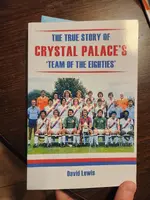
For Crystal Palace supporters who lived through the remarkable rise, painful fall and lingering memories of the club’s “Team of the Eighties”, David Lewis’s The True Story of Crystal Palace’s ‘Team of the Eighties’ is likely to feel less like a history book and more like a return to a time that many supporters thought they had left behind.
What comes through most strongly is Lewis’s love for Crystal Palace. This is not the detached work of an outsider looking in, but a book written by someone who understands what Palace means to its supporters. That affection is evident throughout, particularly when Lewis revisits the excitement, optimism and sheer possibility surrounding the club during the period. Equally importantly, he does not shy away from the disappointments and frustrations. Palace’s story in the 1980s was never simply one of footballing success; it was a period of extraordinary highs followed by equally painful lows, and Lewis captures both sides of that experience.
This is very much a book for the older Palace supporter who was there. Those who stood on the terraces, followed the team home and away, listened to the reports, argued about selections and experienced the emotional rollercoaster of the era will find plenty to recognize of the subject matter while some of the younger fans may need to reread some parts to understand what Lewis is trying to explain. Lewis understands that football memories are rarely just about results. They are about places, people, personalities and the atmosphere surrounding a club at a particular moment in its history. The information at the back was very useful, especially the short biographies to let you know about the people involved.
That gives the book a particular strength. Rather than simply recounting the familiar story of Palace’s rise during the 1980s, Lewis digs considerably deeper into the circumstances behind it. The research is impressive, and the additional detail helps put events into context. Characters and incidents that may previously have existed only as fragments in supporters’ memories are given greater definition, while familiar events are revisited with considerably more information.
Indeed, one of the book’s most obvious strengths is the amount of material Lewis has assembled. It is dramatically more informative than Stephen Brandt’s The Team That Could Have Been (The Rise and Fall of Crystal Palace’s Team of the 80s), the book to which this feels, in many respects, like the response it is. Where Brandt’s book left questions unanswered and actual Palace areas insufficiently explored, Lewis goes back over the ground with greater research and a much fuller account of what actually happened.
That makes the book particularly valuable for supporters who have always felt that the story of Palace’s famous 1980s side deserved a more comprehensive treatment. Lewis provides that, while retaining the emotional connection that makes the subject so compelling in the first place.
There is an understandable sense of nostalgia running through the book, but it is nostalgia grounded in fact rather than rose-tinted sentimentality. Lewis clearly knows that Palace’s history is messy, complicated and occasionally heartbreaking. Yet his affection for the club never disappears. If anything, the difficult moments make the successes feel even more meaningful.
Ultimately, The True Story of Crystal Palace’s ‘Team of the Eighties’ succeeds because it understands its audience. This is a book for Palace supporters who remember the era and want to know more about it; for those who were there and perhaps thought they already knew the story; and for younger supporters who want to understand why that generation of players and events still occupy such an important place in Palace folklore.
Lewis has produced a thoroughly researched, affectionate and substantially more informative account of one of the most fascinating periods in Crystal Palace’s history. Most importantly, his love for the club shines through. For an older Palace fan, that may be the greatest recommendation of all.
This isn't a book for academics, this is a book for actual Palace fans. So if you have an older Palace fan in your life, this book is an absolute must.